29 studies · every one linked to its source
The science of social decay.
Friendships rarely end in a falling-out. They lapse — the shared context evaporates, nobody initiates, and the loss goes unnoticed because the network stays the same size. The research on how that happens, and on what actually opposes it, is better than most people realise.
Every study below has its own page with the finding, the method, what it doesn’t show, and what we did about it — including the ones that cut against us. Where a finding is contested or the effect is small, it says so.
How relationships decay
The default is loss, and it happens without anyone deciding. This is the mechanism Kept is built to interrupt.

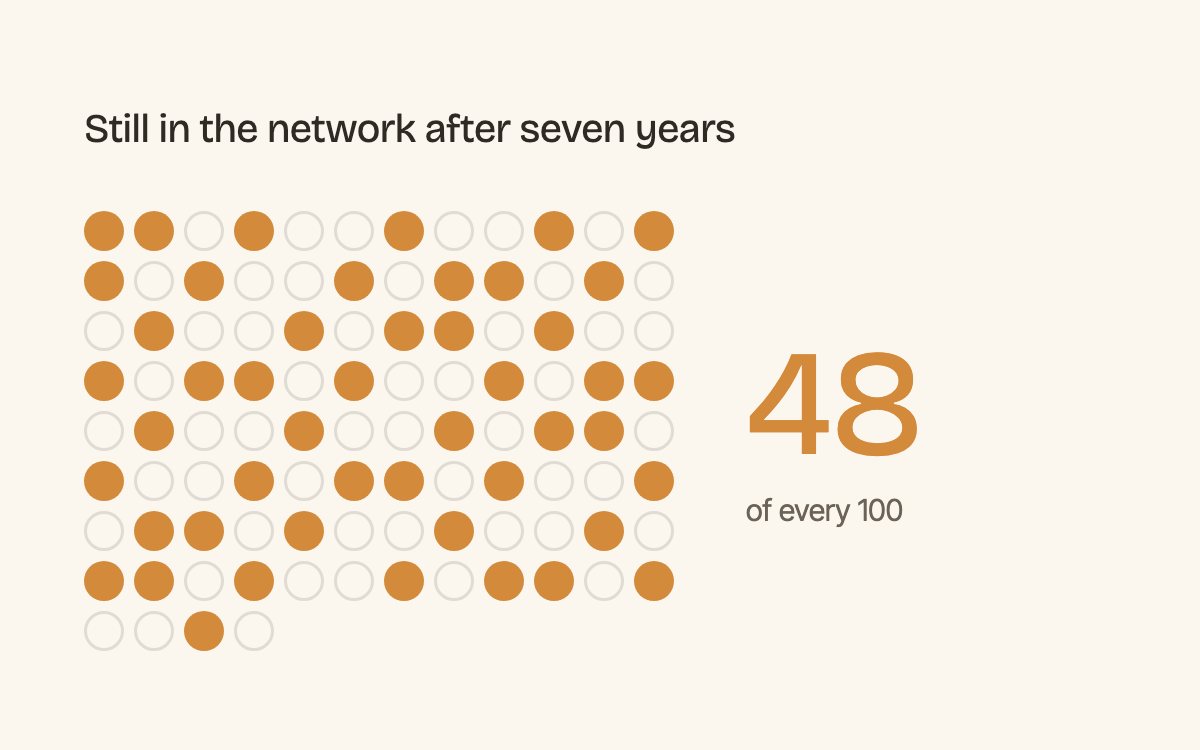
Half a personal network turns over every seven years
Mollenhorst, Völker & Flap · Social Networks
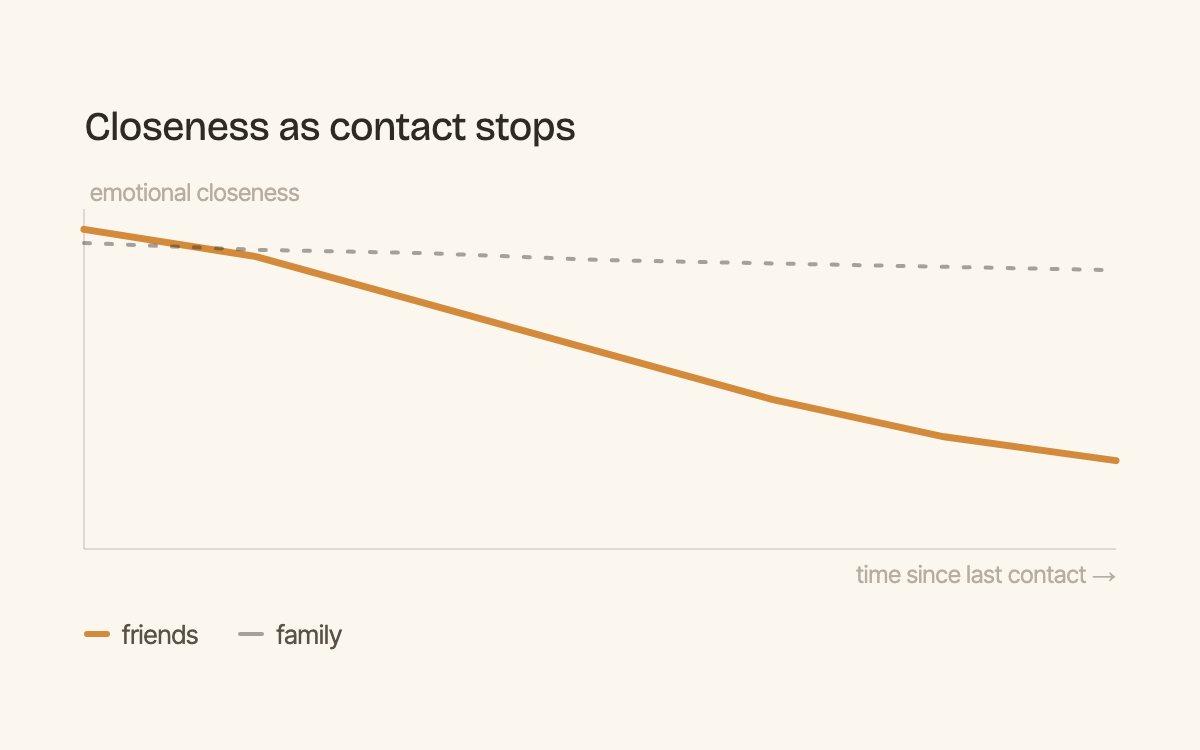
Friendships fade when contact stops. Family ties don’t.
Roberts & Dunbar (2011) · Evolution and Human Behavior
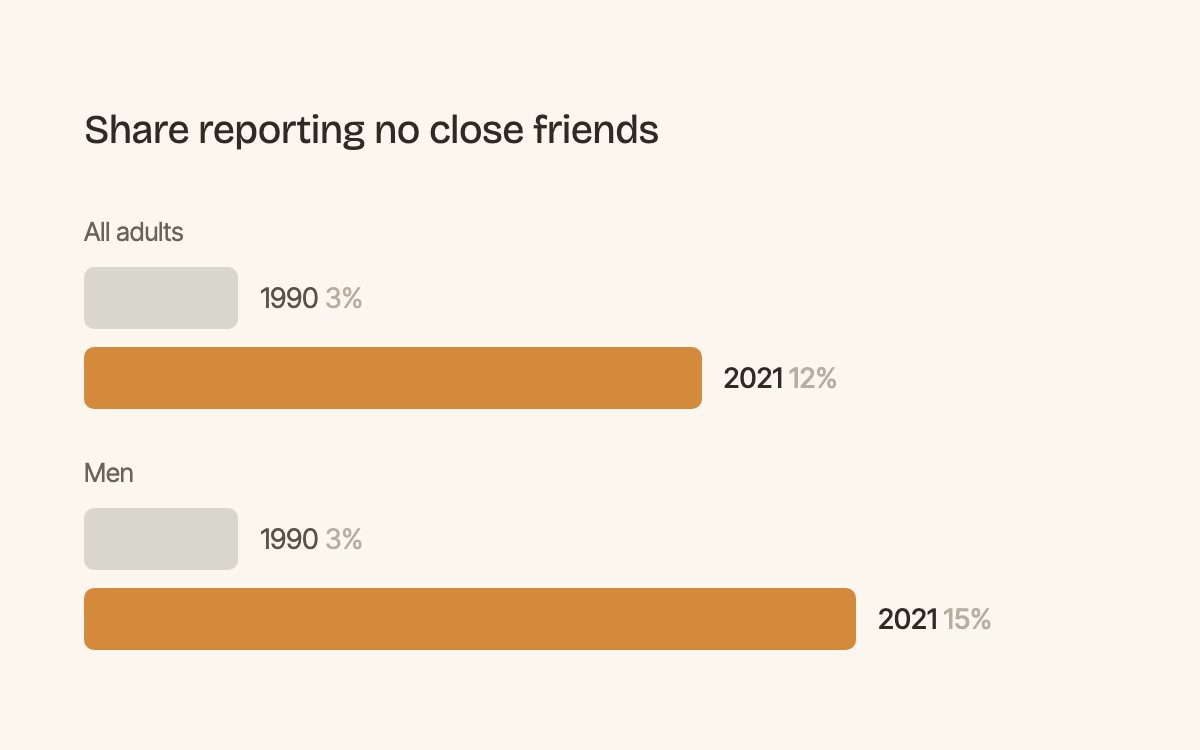
Americans with no close friends went from 3% to 12% in thirty years
Cox (2021) · The State of American Friendship, Survey Center on American Life
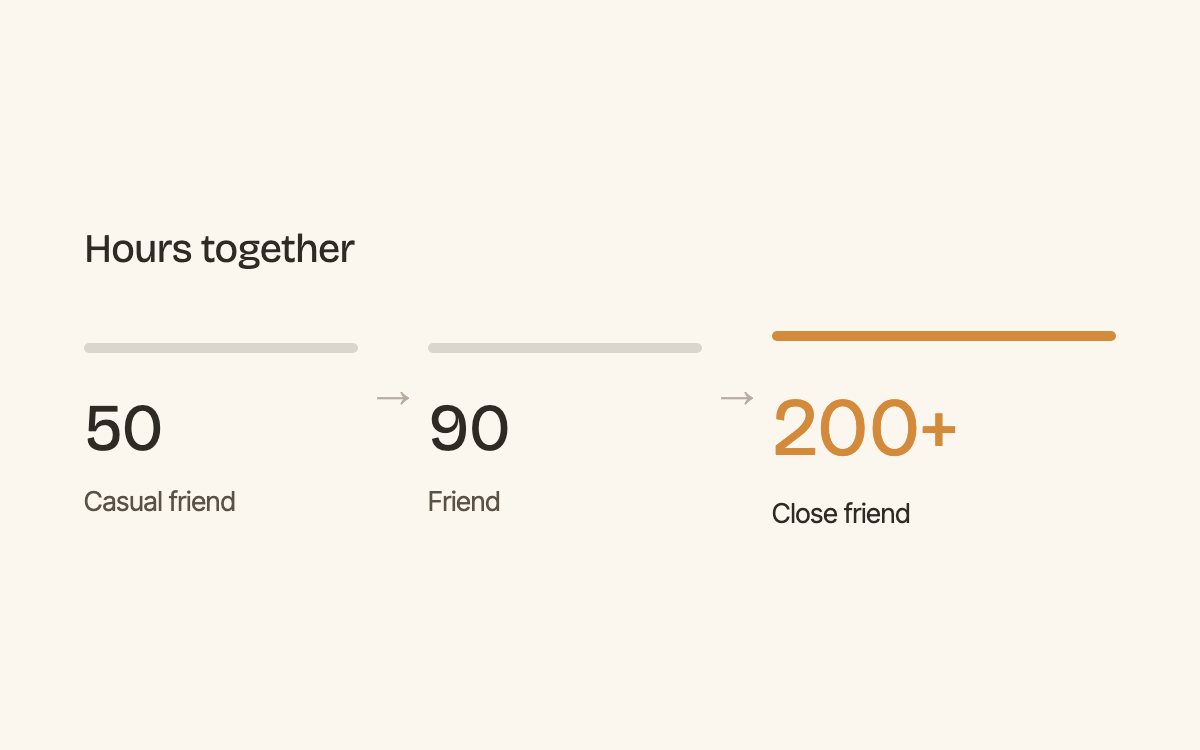
It takes roughly 200 hours together to make a close friend
Hall (2019) · Journal of Social and Personal Relationships
Why we don’t reach out
A cluster of replicated findings, all leaning the same way: the barrier is a prediction error, not indifference.

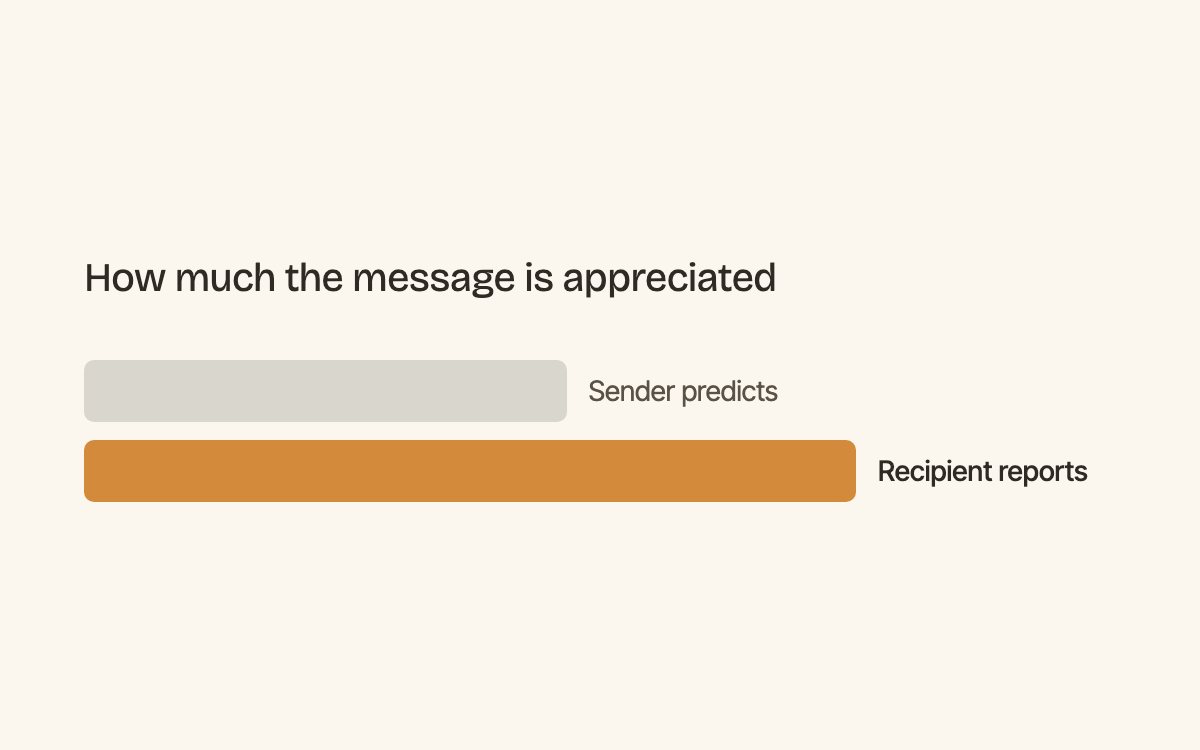
People are happier to hear from you than you predict
Liu, Rim, Min & Min (2023) · Journal of Personality and Social Psychology
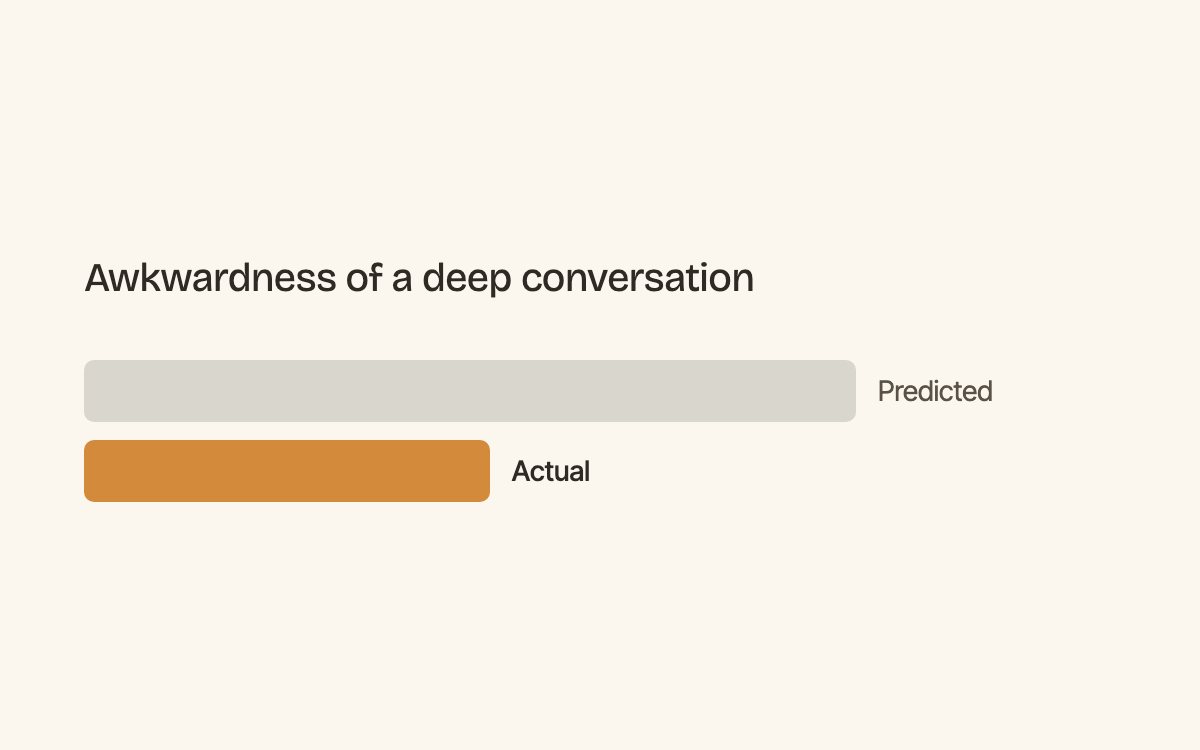
Deep conversations feel less awkward than people expect
Kardas, Kumar & Epley (2022) · Journal of Personality and Social Psychology
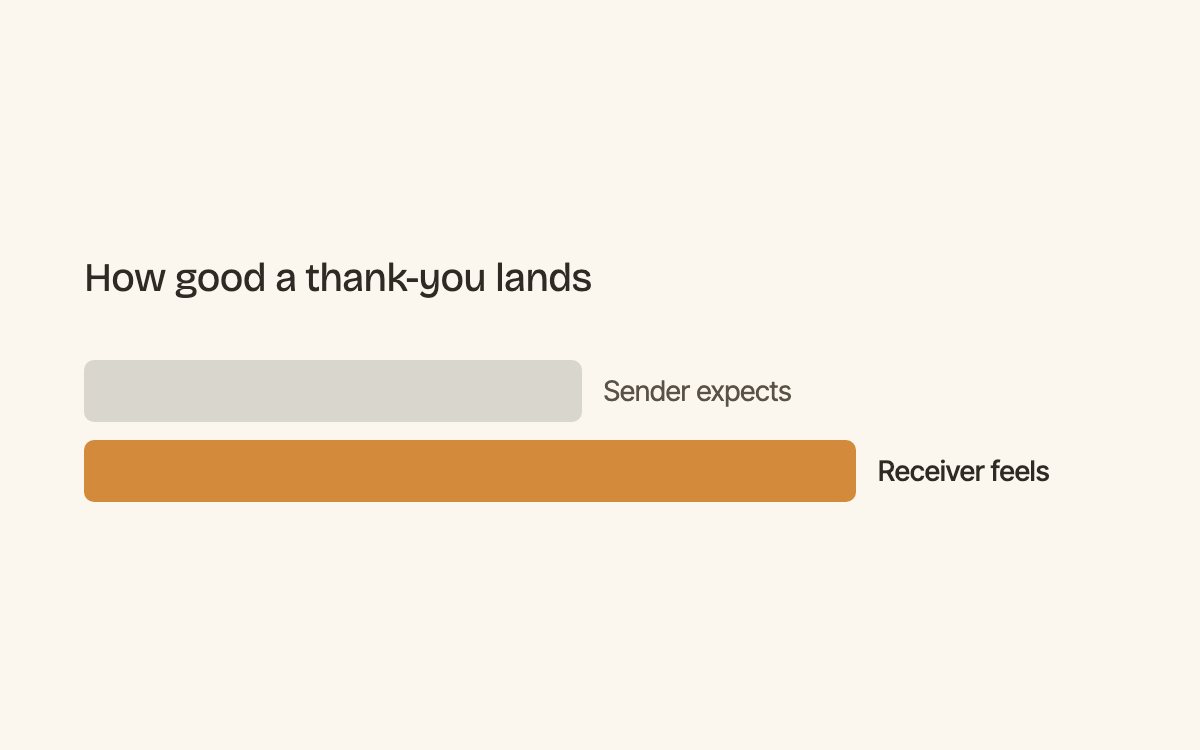
Senders worry about sounding awkward. Receivers just hear the warmth.
Kumar & Epley (2018) · Psychological Science
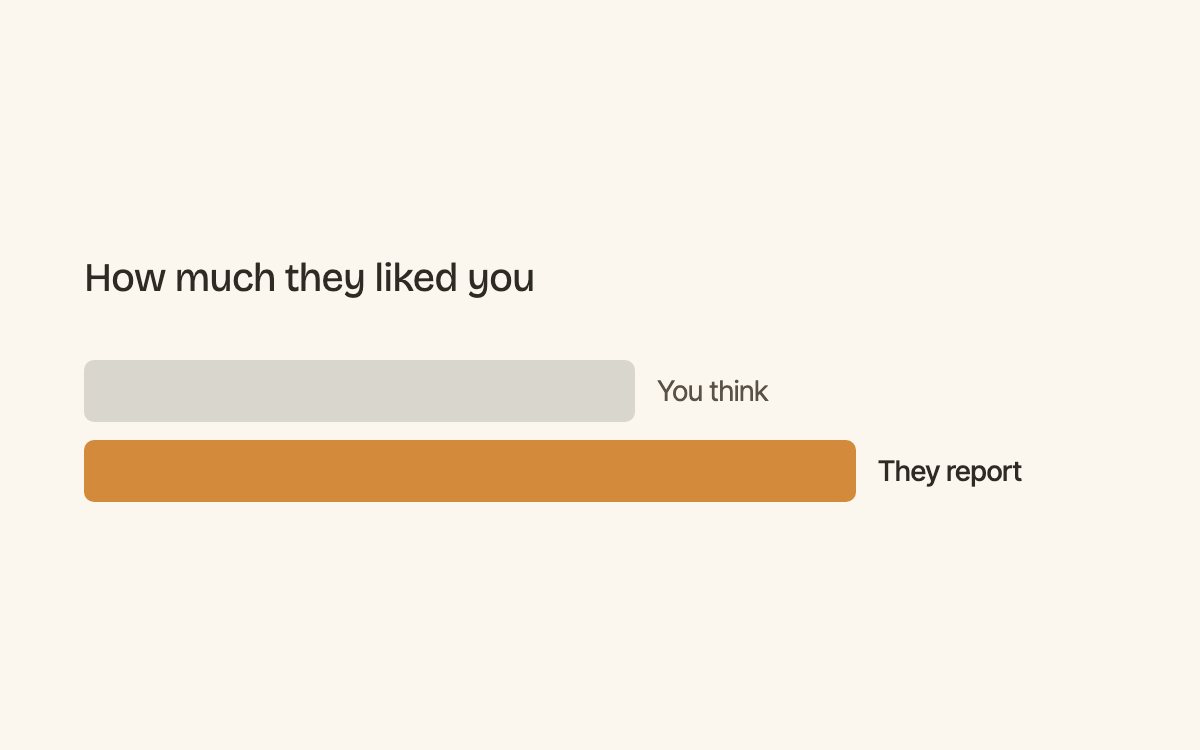
People underestimate how much others liked them
Boothby, Cooney, Sandstrom & Clark (2018) · Psychological Science
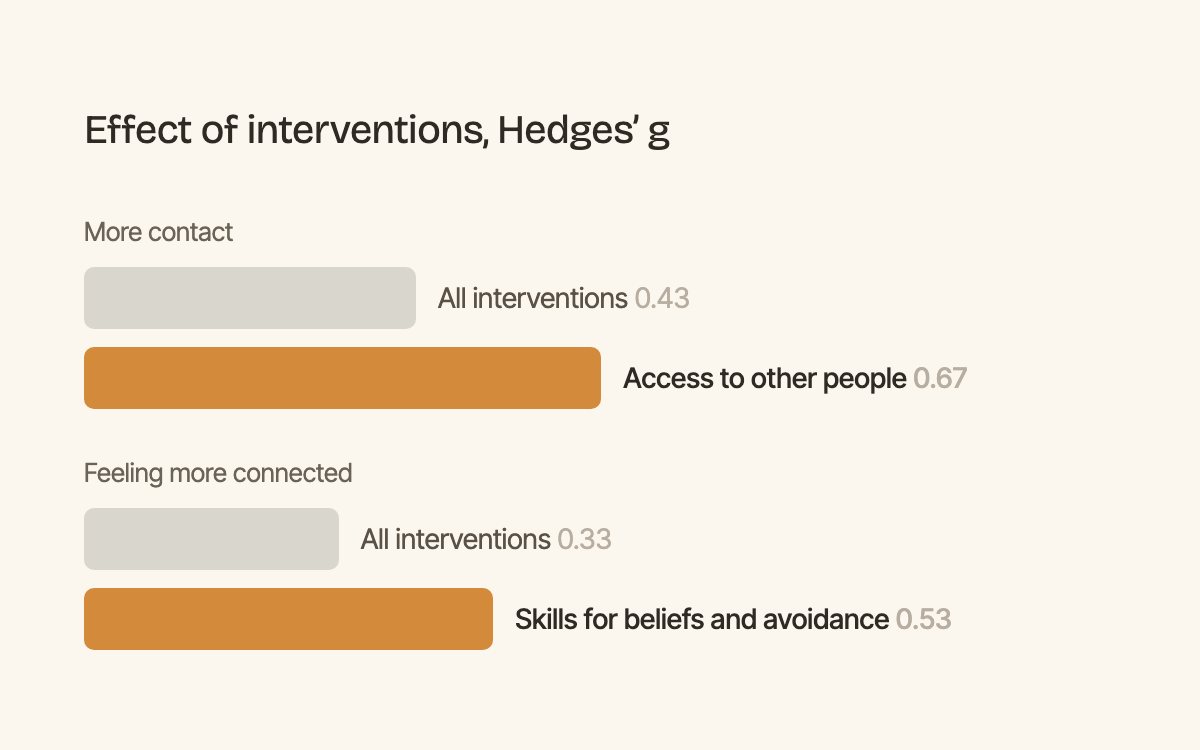
More contact comes from access to people. Feeling connected comes from changing beliefs.
Zagic, Wuthrich, Rapee & Wolters (2022) · Social Psychiatry and Psychiatric Epidemiology
Why remembering is the mechanism
Notice something specific, bring it back, and the other person feels understood. Three separate literatures converge on that one variable.

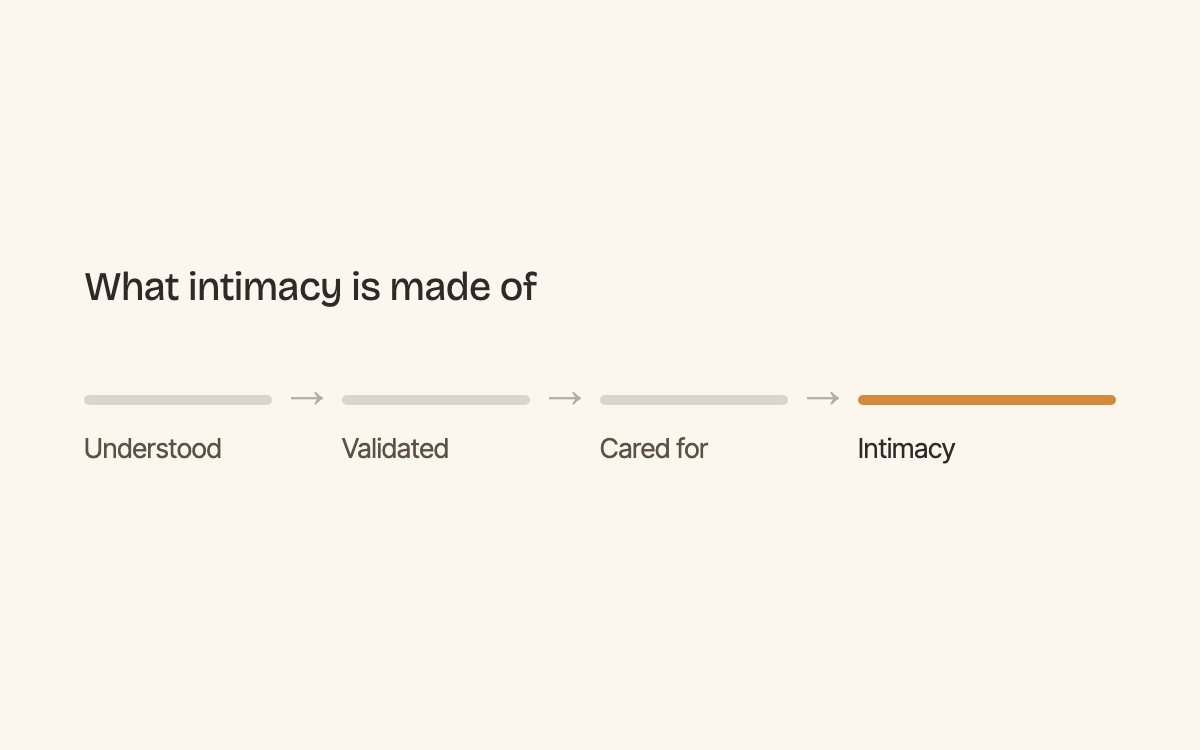
Feeling understood is the working definition of intimacy
Reis, Clark & Holmes (2004) · Perceived partner responsiveness
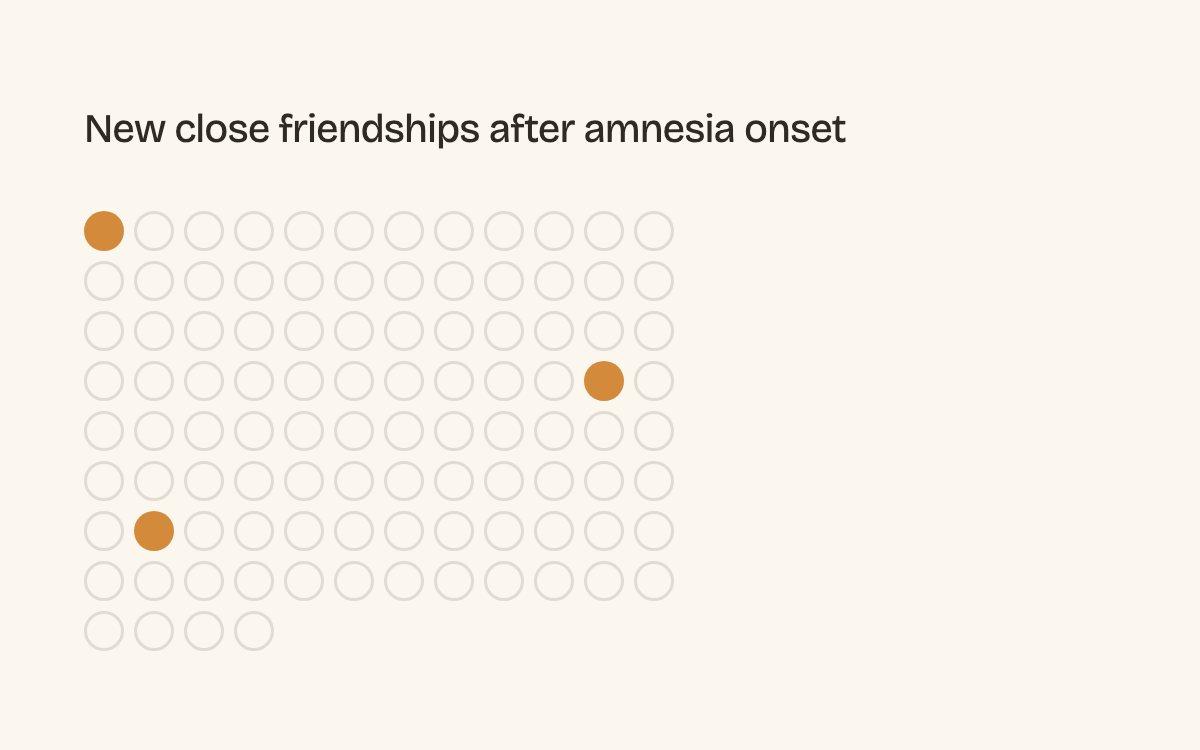
People with amnesia make almost no new close friends
Davidson et al. (2012) · Frontiers in Psychology
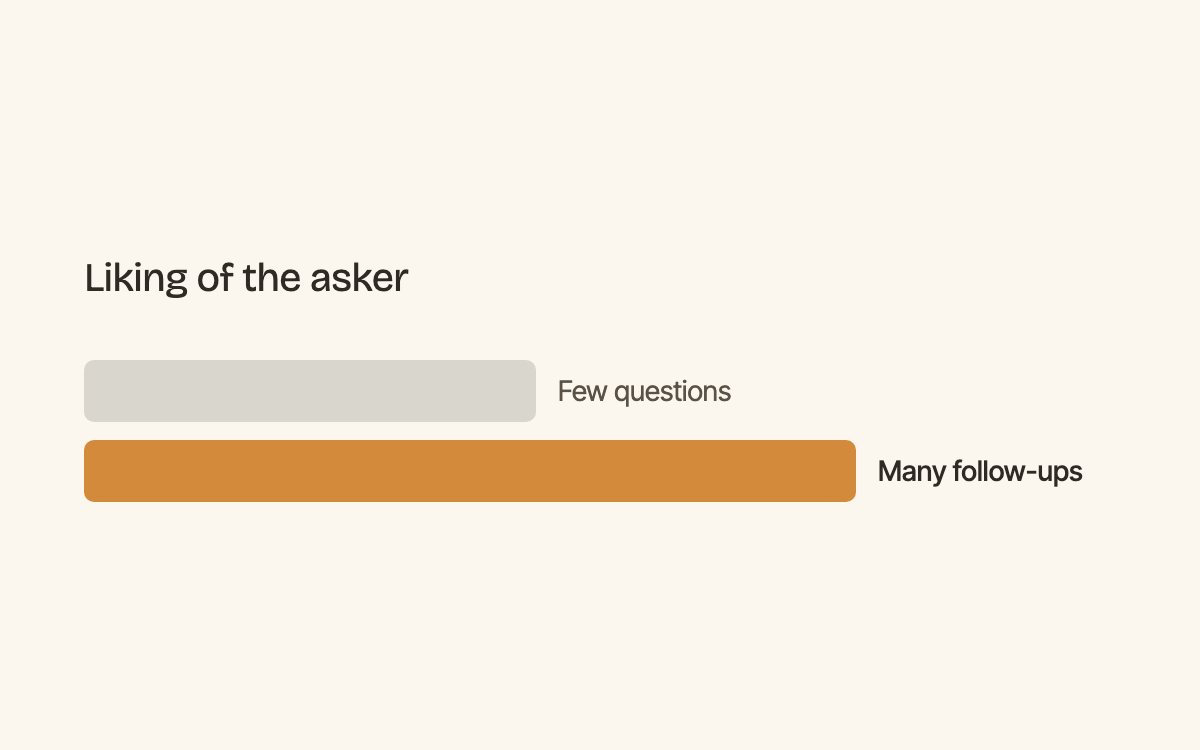
Asking a follow-up question makes people like you more
Huang, Yeomans, Brooks & Minson (2017) · Journal of Personality and Social Psychology
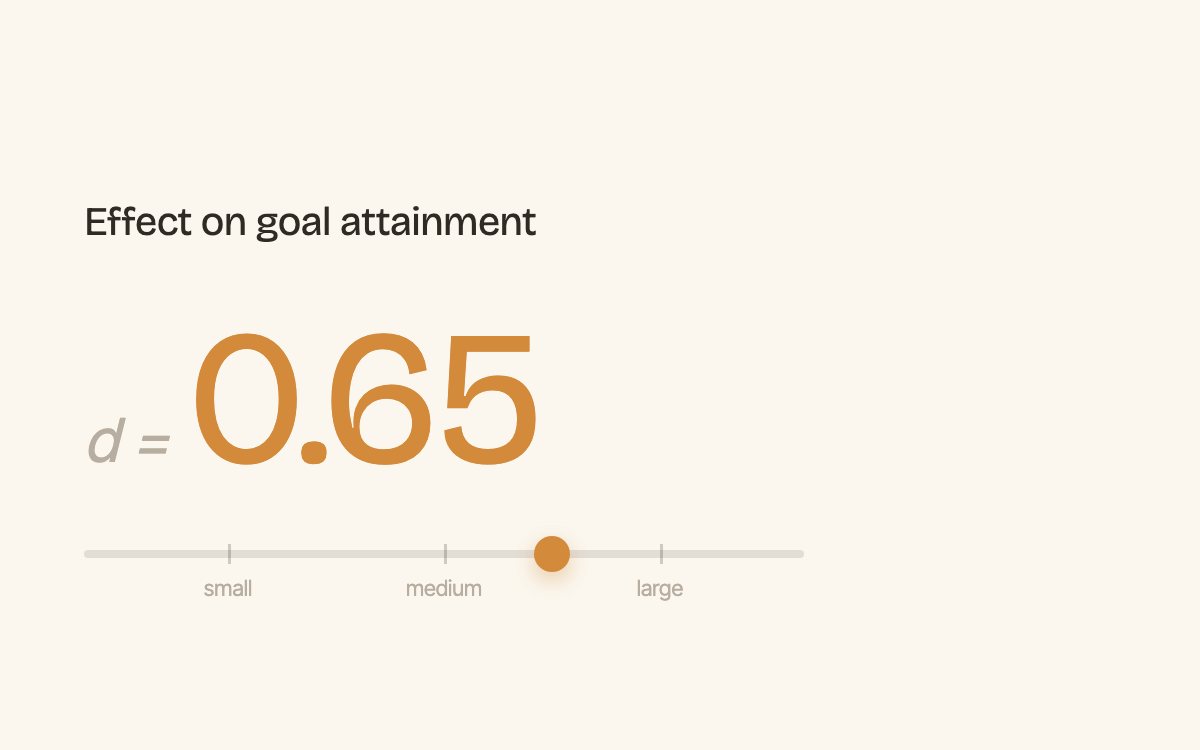
Deciding when and where you’ll do something roughly doubles the odds you do it
Gollwitzer & Sheeran (2006) · Implementation intentions and goal achievement
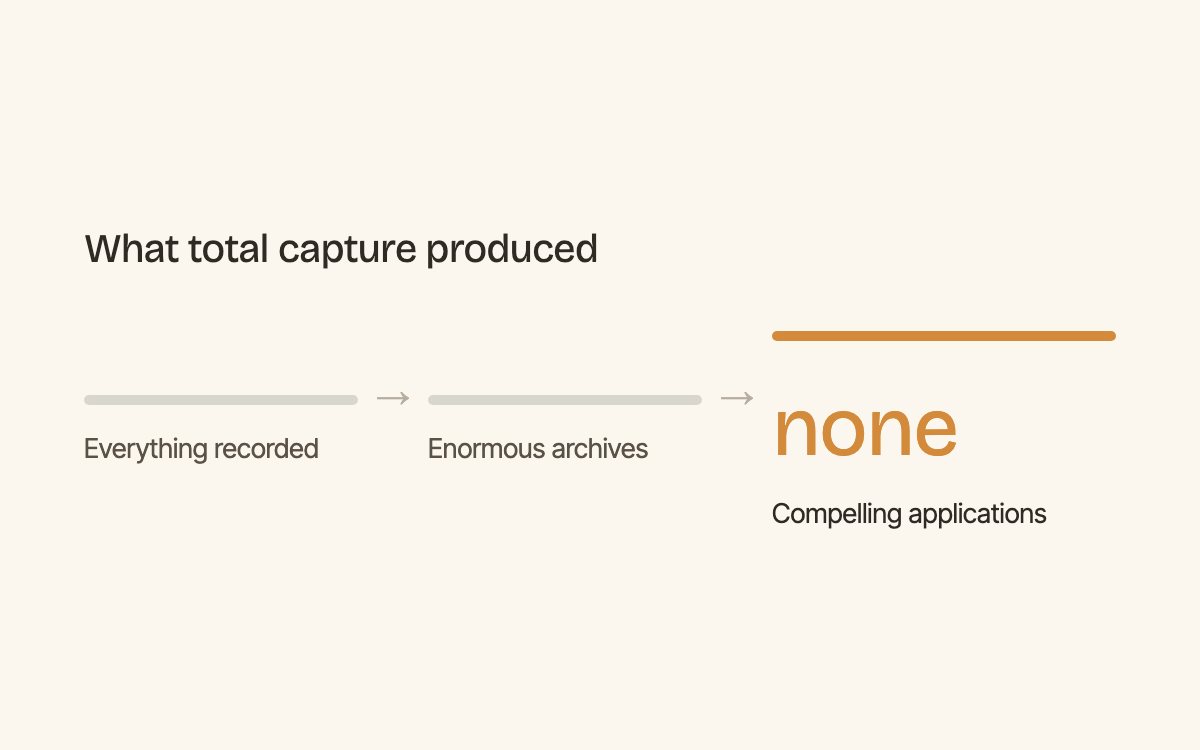
Recording everything produced huge archives and nothing useful
Sellen & Whittaker (2010) · Communications of the ACM
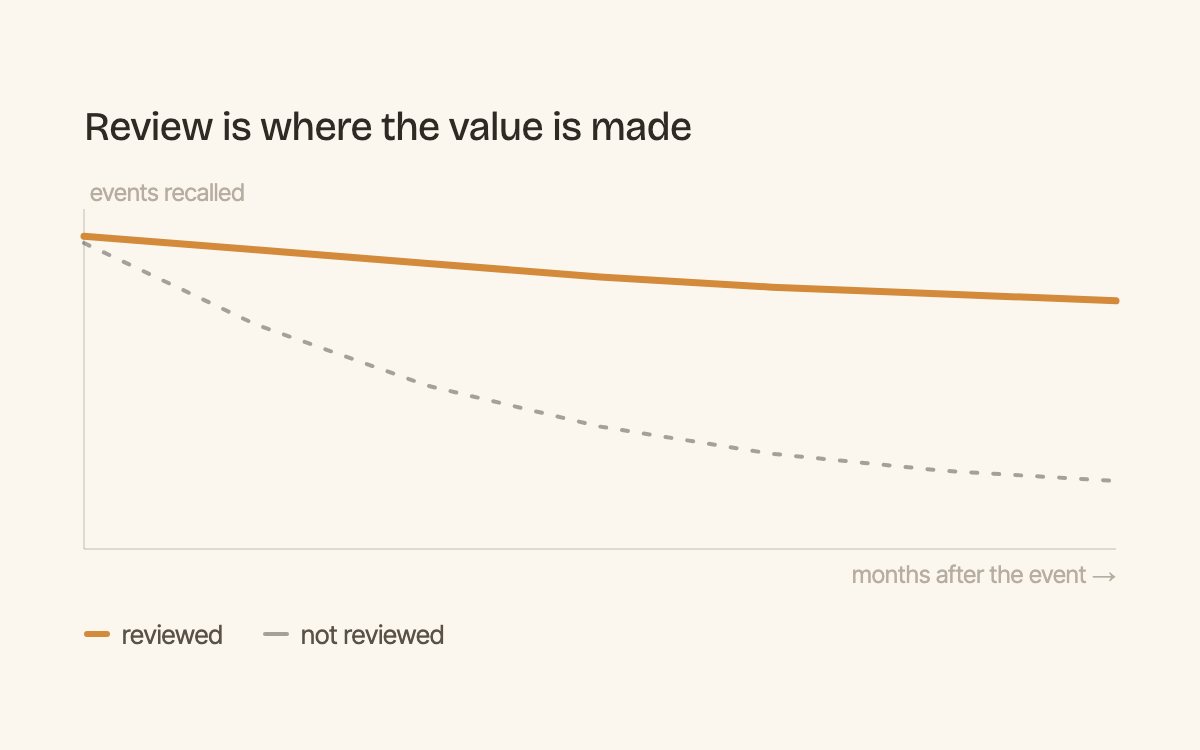
Reviewing a partial capture cues recall months later
Hodges, Berry, Wood et al. · SenseCam autobiographical memory research
What we designed against
Evidence that ruled features out. Every one of these is something we could have shipped and didn’t.
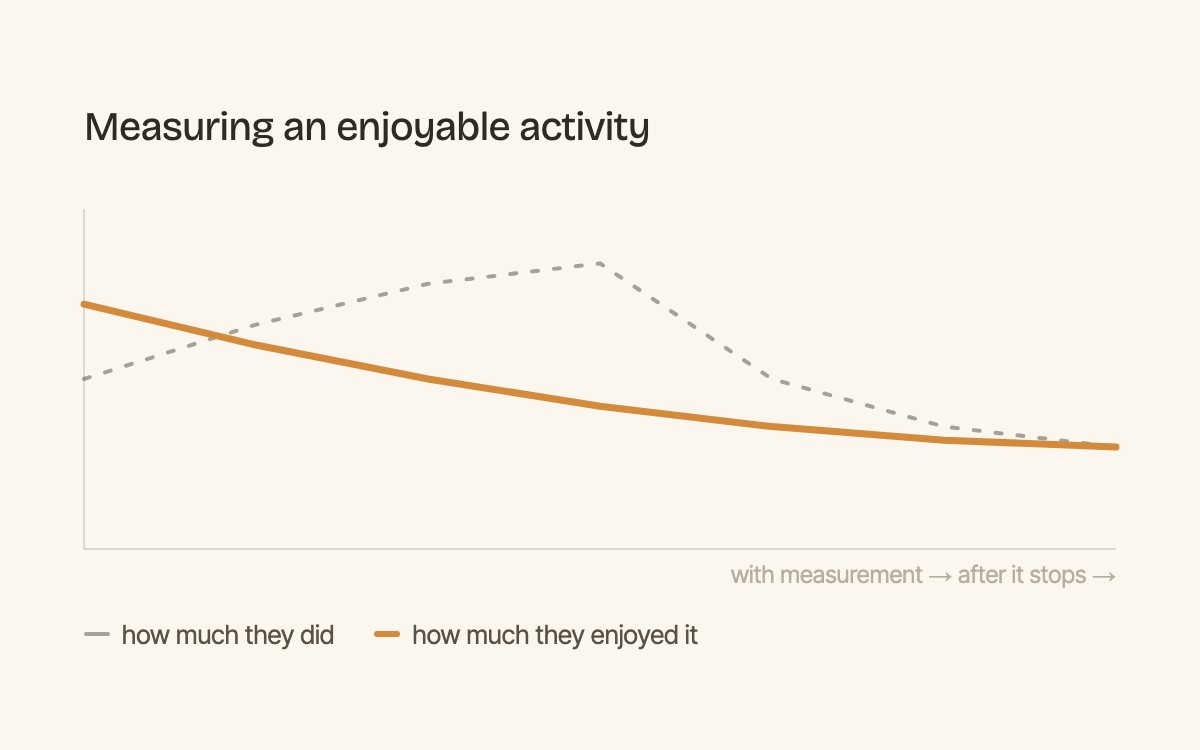
Measuring an activity makes people enjoy it less
Etkin (2016) · Journal of Consumer Research
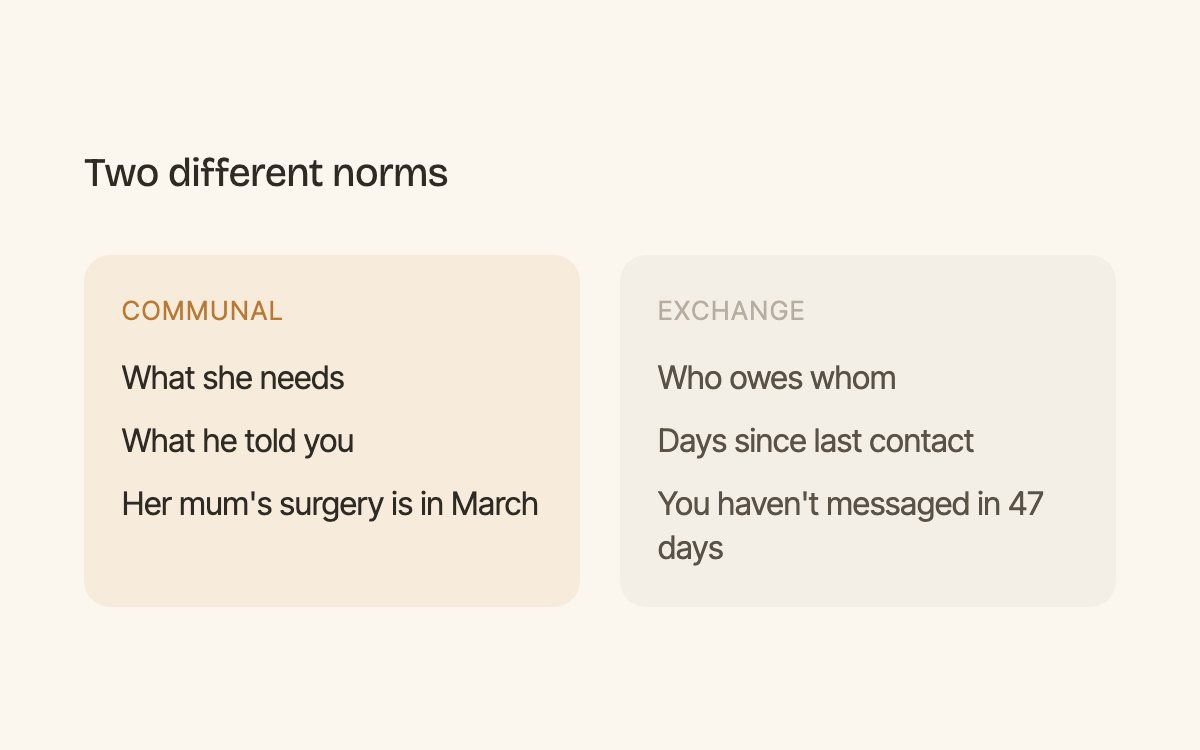
Keeping score is how exchange relationships work, and it damages close ones
Clark & Mills · Communal and exchange relationships
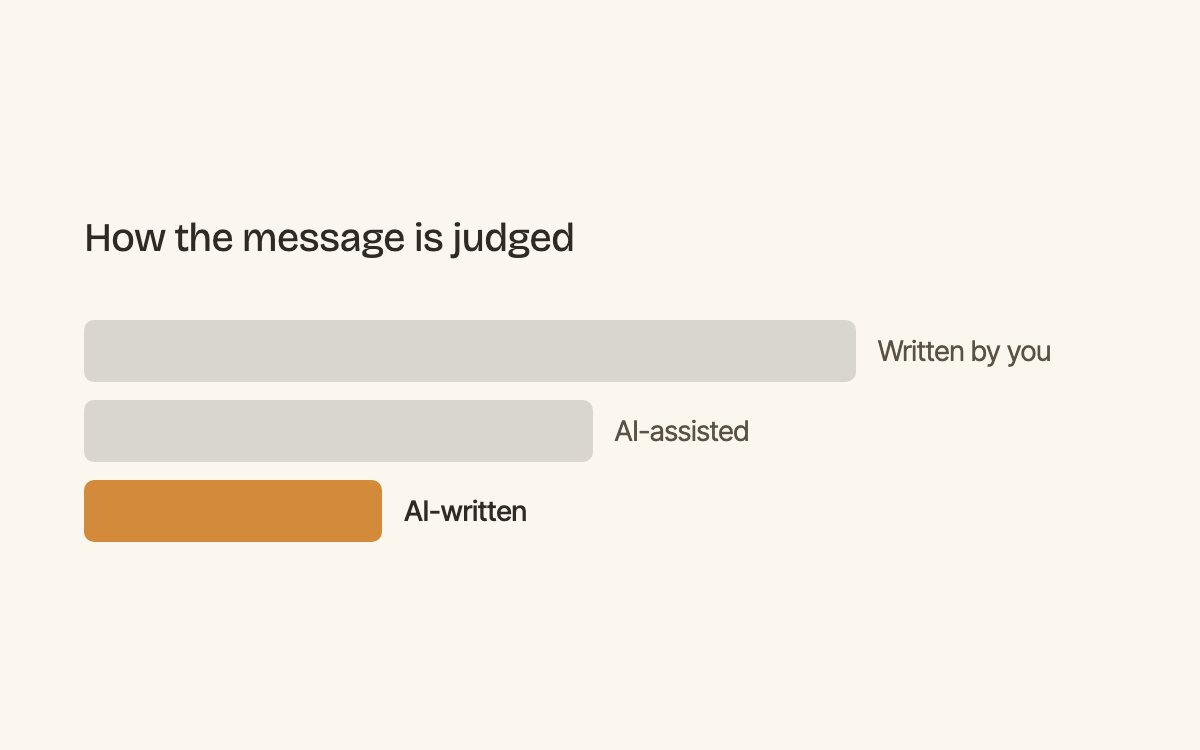
Messages known to involve AI are judged less authentic
Hancock, Naaman & Levy · Journal of Computer-Mediated Communication, and subsequent AI-penalty research
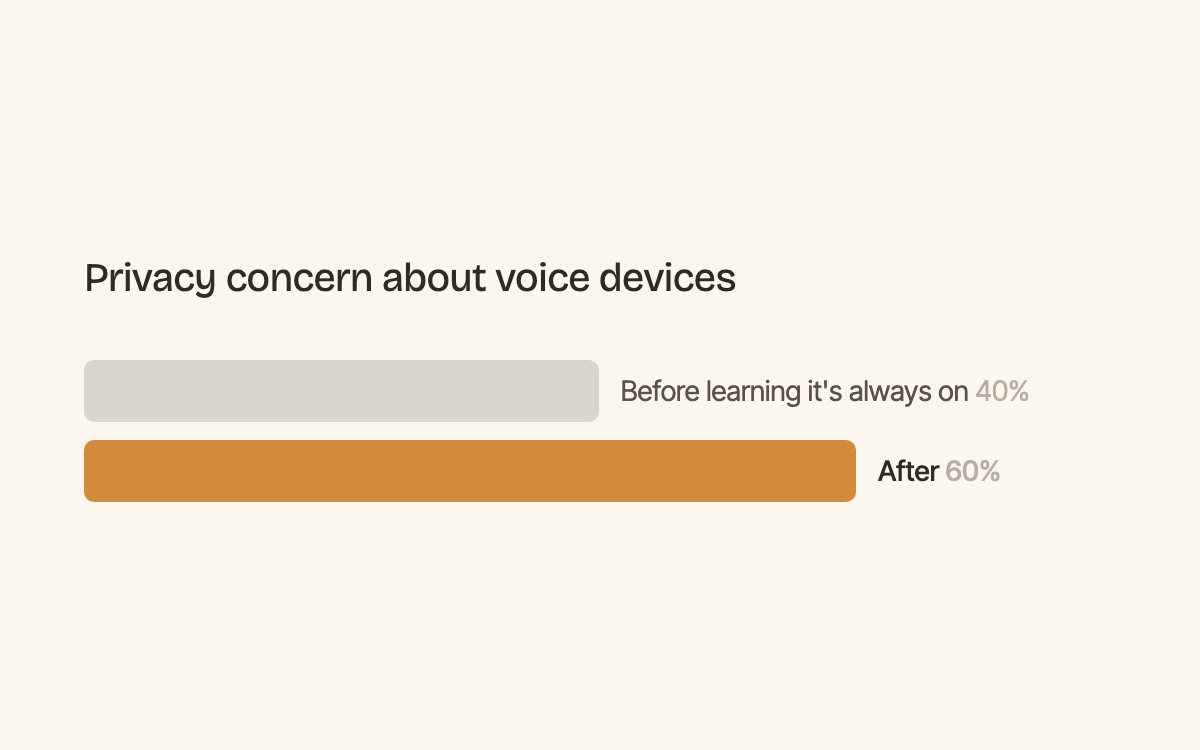
People don’t realise their voice devices are always on, and mind a lot once they do
Malkin et al., and the voice-assistant privacy literature · Privacy controls for always-listening devices
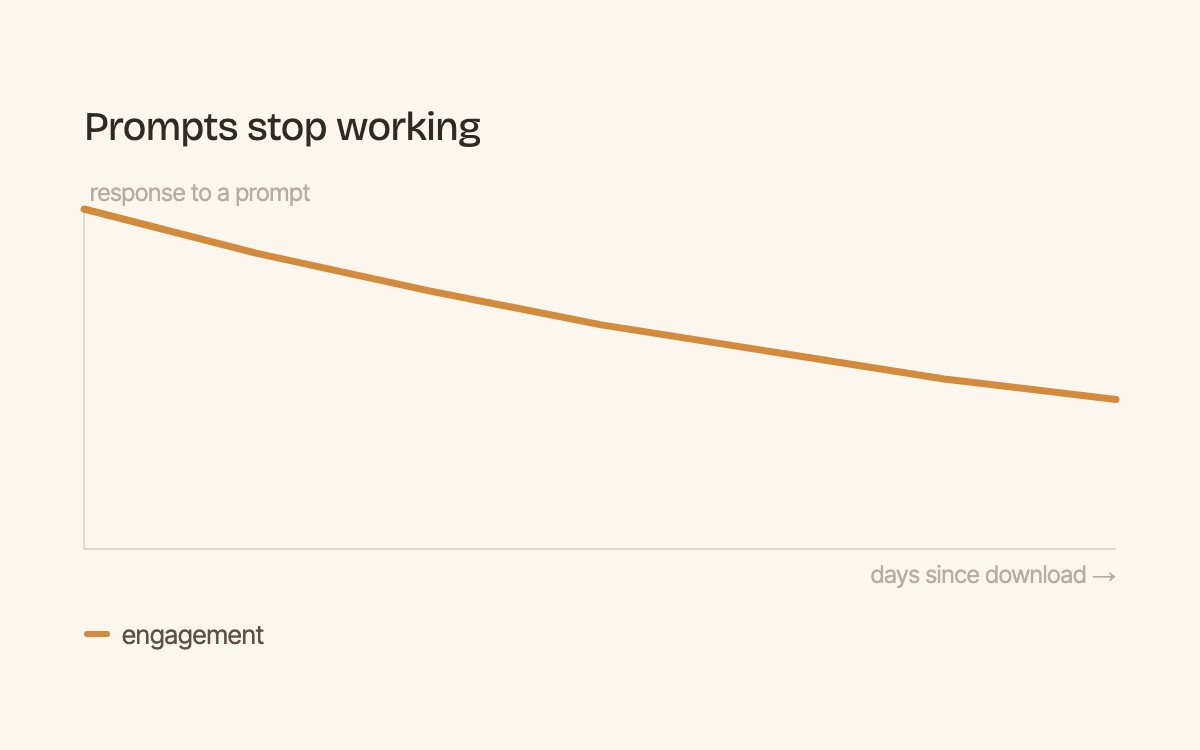
Notifications work, and then stop working
Bidargaddi et al., and the eHealth attrition literature (2018) · JMIR mHealth and uHealth
The wider picture
Why any of this matters, and the places where the popular version of the story is wrong.

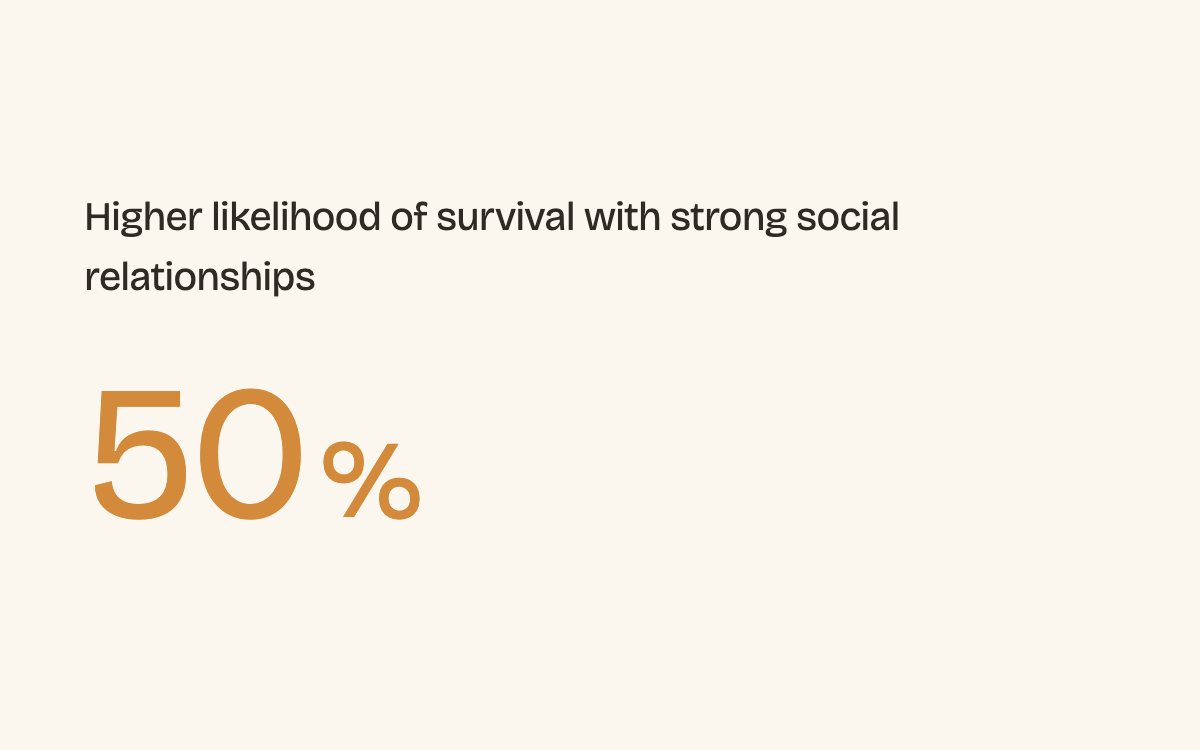
Strong social relationships predict a 50% higher chance of survival
Holt-Lunstad, Smith & Layton (2010) · PLoS Medicine
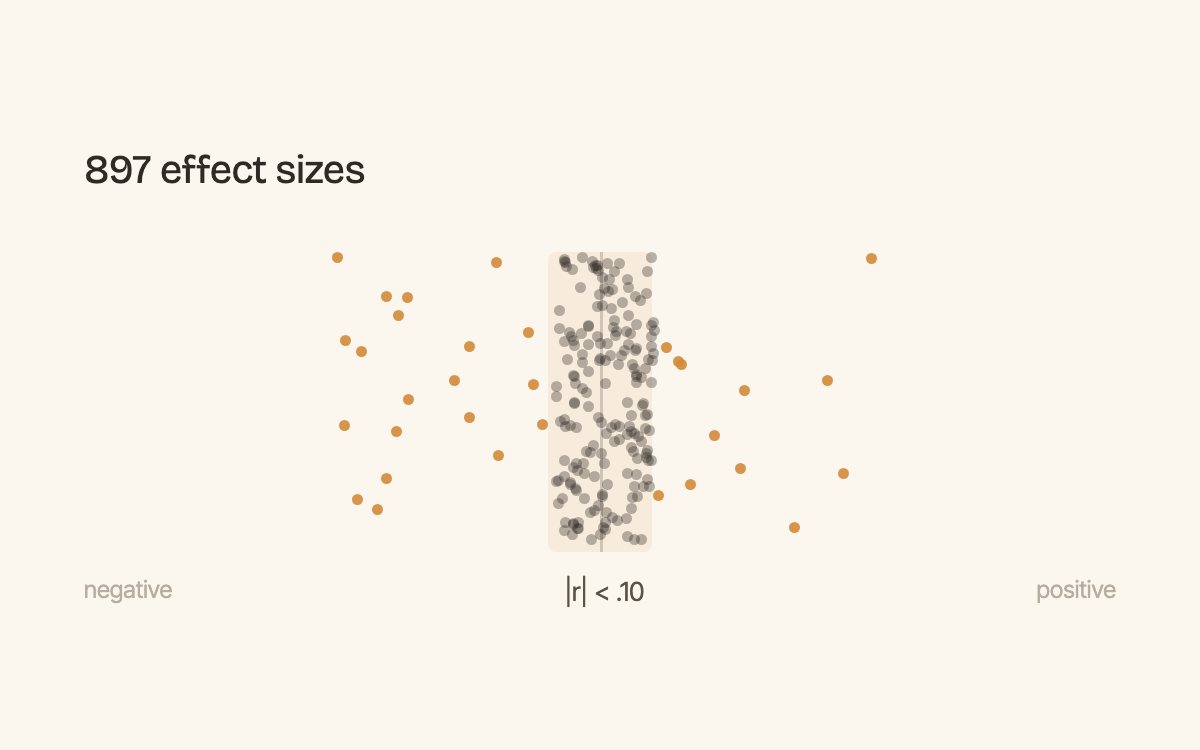
Across 141 studies, how you use social media barely predicts wellbeing
Godard & Holtzman (2024) · Journal of Computer-Mediated Communication
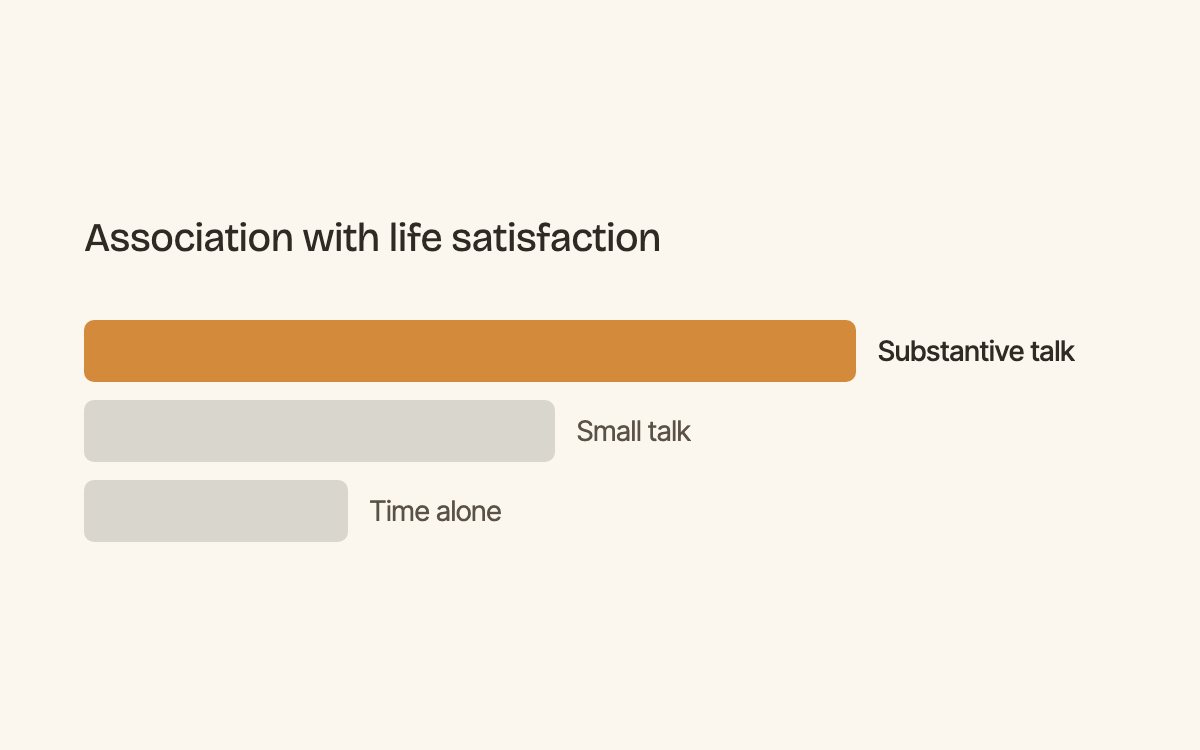
Substantive conversation tracks wellbeing. Small talk is neutral.
Milek et al. (2018) · Psychological Science
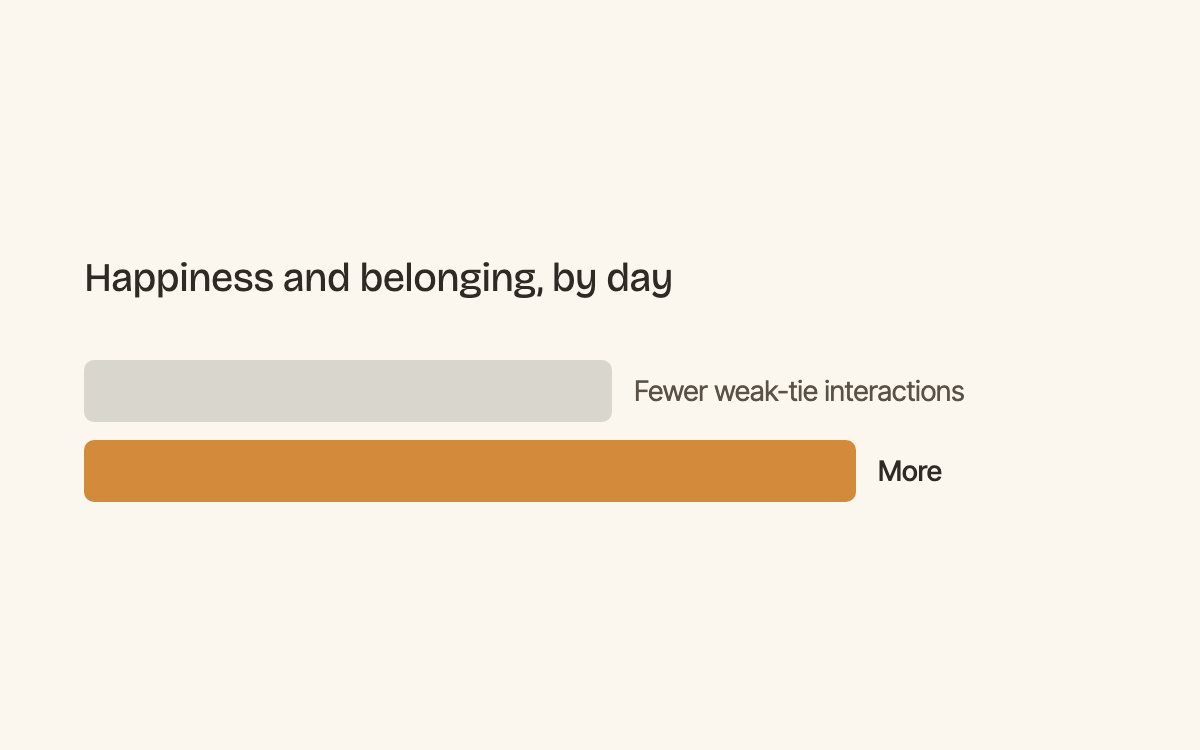
Brief exchanges with people you barely know lift the day
Sandstrom & Dunn (2014) · Personality and Social Psychology Bulletin
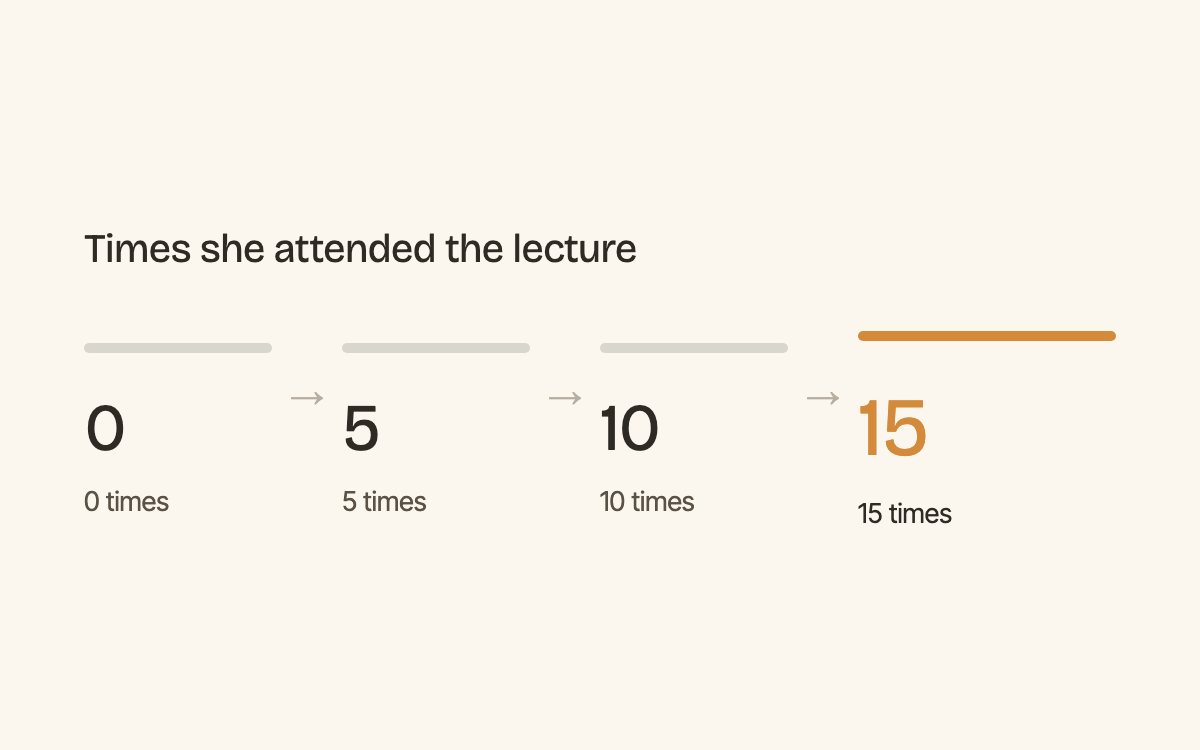
Students liked the classmate who showed up most, without ever speaking to her
Moreland & Beach (1992) · Journal of Experimental Social Psychology
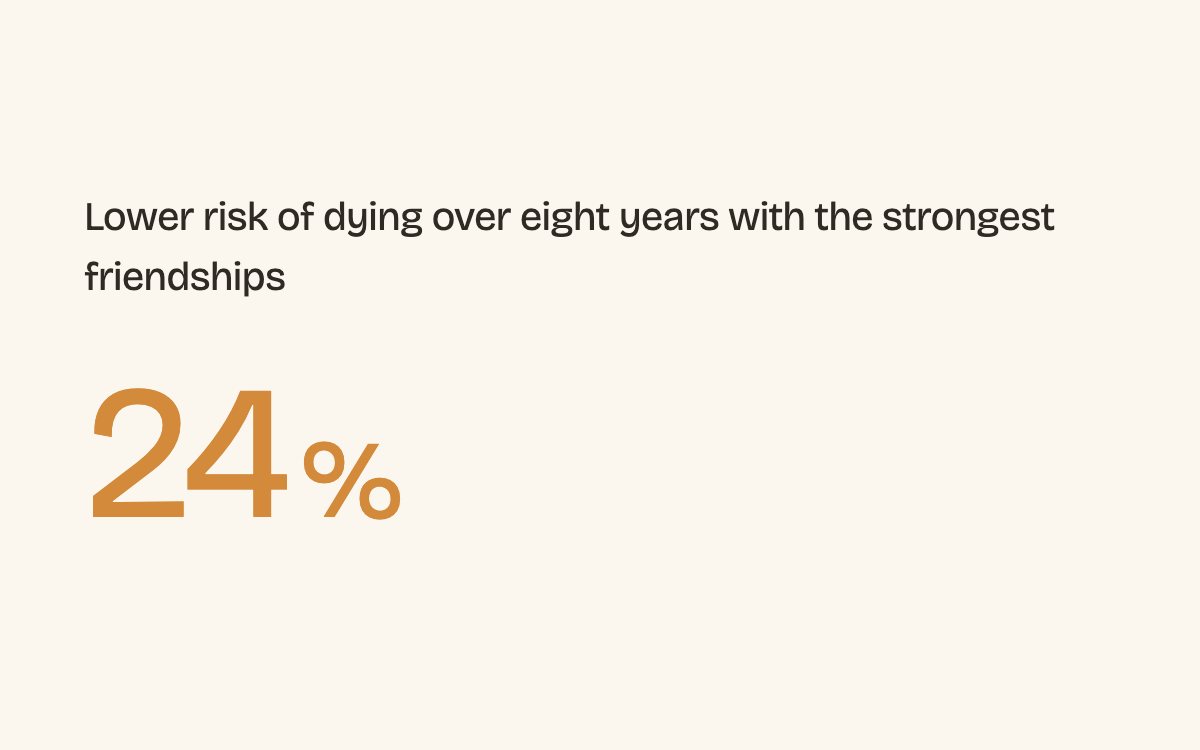
The strongest friendships went with a 24% lower risk of dying over eight years
Kim, Chopik, Chen, Wilkinson & VanderWeele (2023) · Epidemiology and Psychiatric Sciences
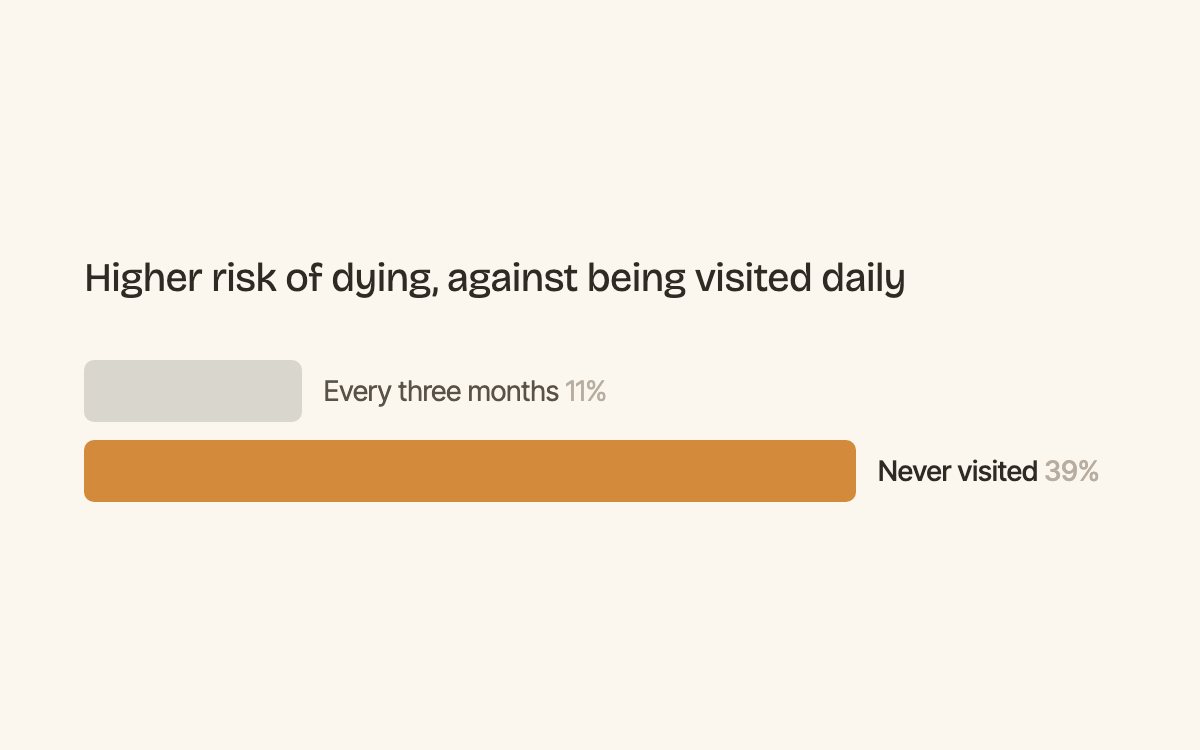
Seeing friends or family less than once a month went with a higher risk of early death
Foster et al. (2023) · BMC Medicine
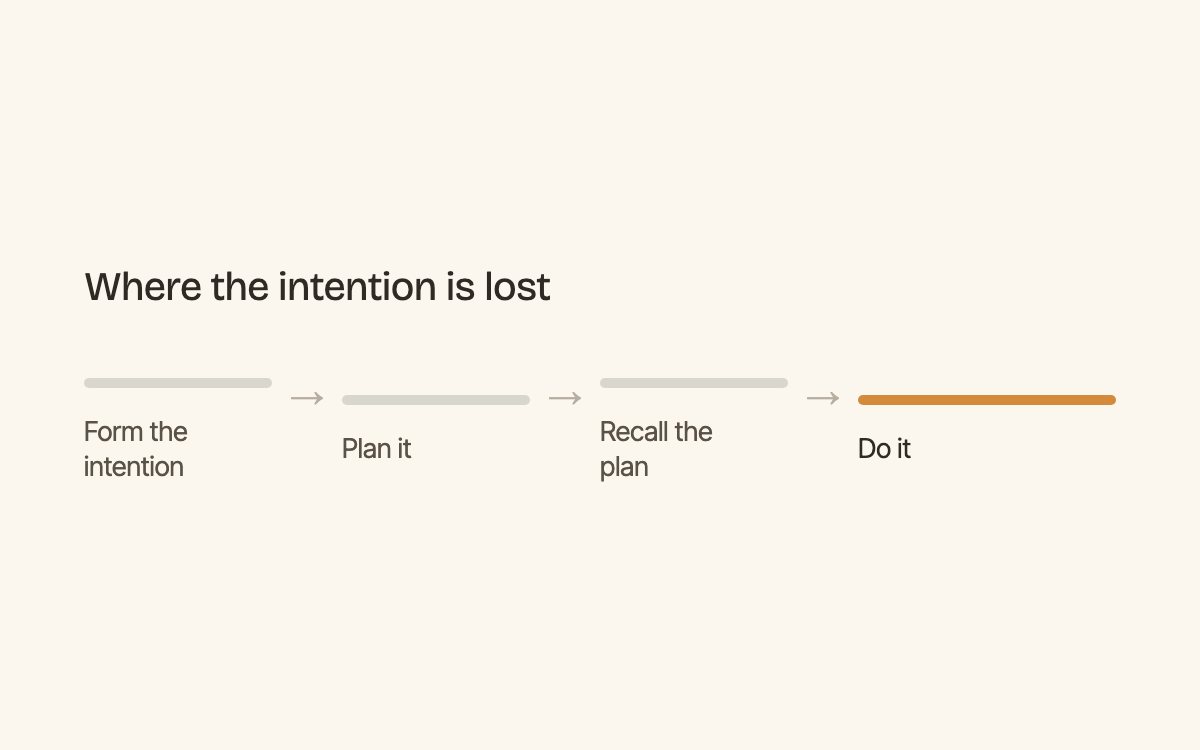
The intention arrives, and then evaporates before it becomes an action
Altgassen et al. (2013) · PLOS ONE
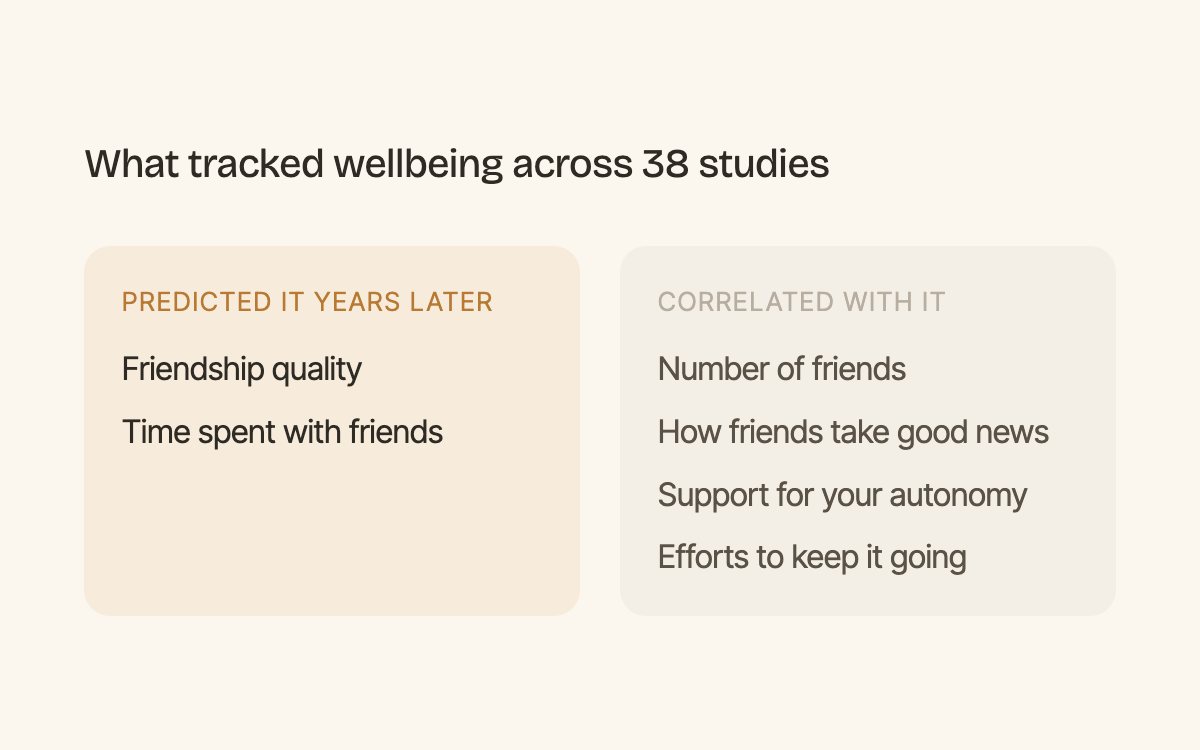
Friendship quality and time spent with friends predicted wellbeing years later. The number of friends only correlated with it.
Pezirkianidis, Galanaki, Raftopoulou, Moraitou & Stalikas (2023) · Frontiers in Psychology