KeptKept
← All research

Why do friendships fade but family stays close?

Friendships fade when contact stops. Family ties don’t.

Roberts & Dunbar (2011) · Evolution and Human Behavior

Illustrative — the direction is the finding. Shape is illustrative. The direction, and the friends-versus-kin contrast, are the finding.

Emotional closeness to friends declined steadily once regular contact stopped. Emotional closeness to kin held up across the same long gaps. Time since last contact tracks closely with how close a friendship feels.

How it was done

An 18-month longitudinal study tracking emotional closeness and contact frequency across people’s personal networks, separating kin from friends.

What it means

The asymmetry is the point. Kin relationships are cheap to maintain — they survive a year of silence and resume more or less where they left off. Friendships are not. They carry an ongoing maintenance cost, and the bill comes due whether or not anyone intended to stop paying it.

A companion paper from the same authors found communication frequency strongly associated with the emotional intensity of a relationship, which is the same result seen from the other side.

This is why "we’ll pick up where we left off" is true of a sibling and unreliable of a friend. The friendship was never held up by the shared history alone.
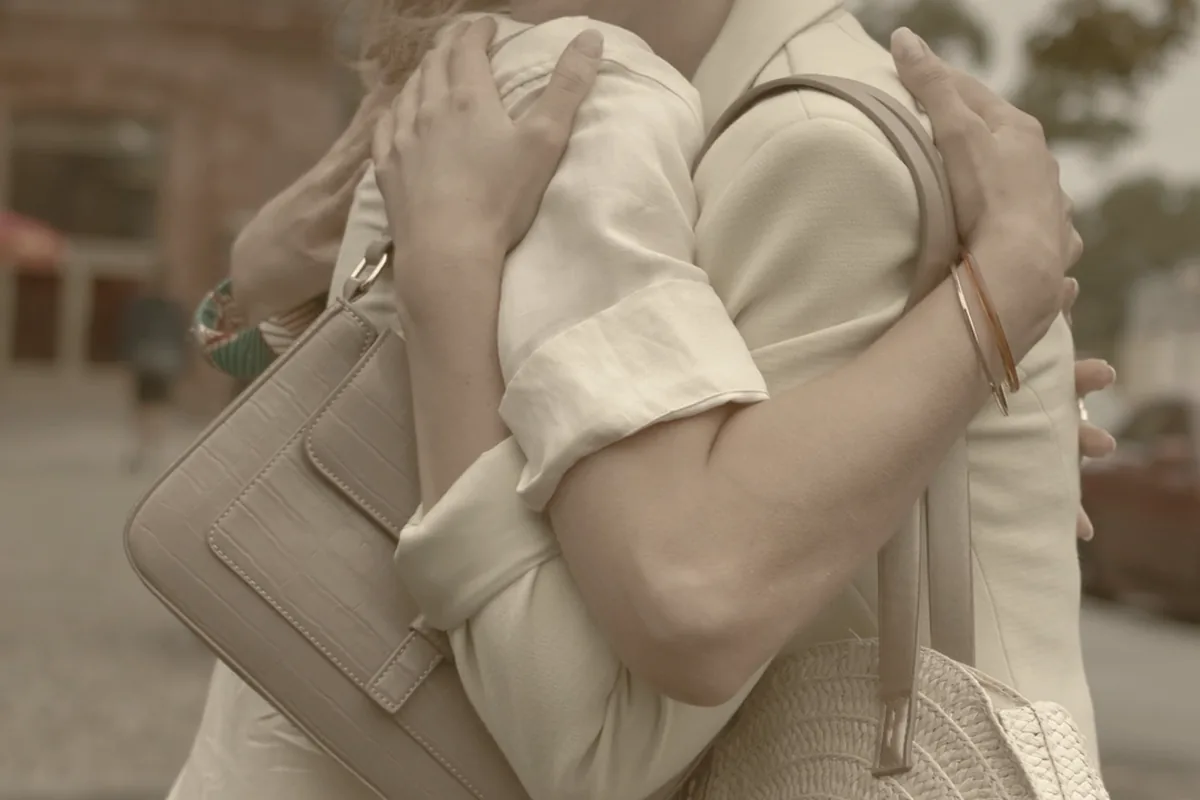
Two people saying goodbye in a doorway.
Marcus Aurelius / Pexels

What it doesn’t show

Observational and correlational: closeness and contact almost certainly drive each other, and this design cannot separate them. It is also entirely possible that people simply contact the friends they already feel close to, which would produce the same data. Eighteen months is short relative to how long friendships actually last.

What Kept does about it

It sets what Kept is for. Family will mostly survive our neglect; friendships are where a maintenance tool has something to do. It is also the reason Kept does not nag about frequency — the finding says contact matters, not that a contact quota would help.

Read the source

Roberts & Dunbar (2011)Evolution and Human Behavior

Confidence: B — a single strong peer-reviewed study, or a consistent multi-study literature. We don’t publish anything weaker than this.

Related

Kept is what we built from this.

A private voice journal for the people closest to you. Nine seconds of talking after you see someone, and the detail comes back before it matters.