KeptKept
← All research

Do people like me more than I think?

People underestimate how much others liked them

Boothby, Cooney, Sandstrom & Clark (2018) · Psychological Science

Illustrative — the direction is the finding. Schematic. The gap survived months of living alongside each other.

People consistently underestimate how much their conversation partners liked them. The gap showed up with strangers and persisted among dorm-mates over months.

How it was done

Multiple studies — strangers paired in a lab, dorm-mates followed across an academic year, and adults in workshops — comparing how much people thought they were liked with how much they were.

What it means

The durability is the surprise. A first-meeting misjudgement would be unremarkable; one that survives living alongside someone for months is a stable distortion rather than a settling-in effect.

One likely reason is asymmetric access: you hear your own self-criticism during a conversation and see none of theirs.

Combined with the reaching-out and gratitude findings, the picture is consistent — people run a pessimistic model of how they land on others.
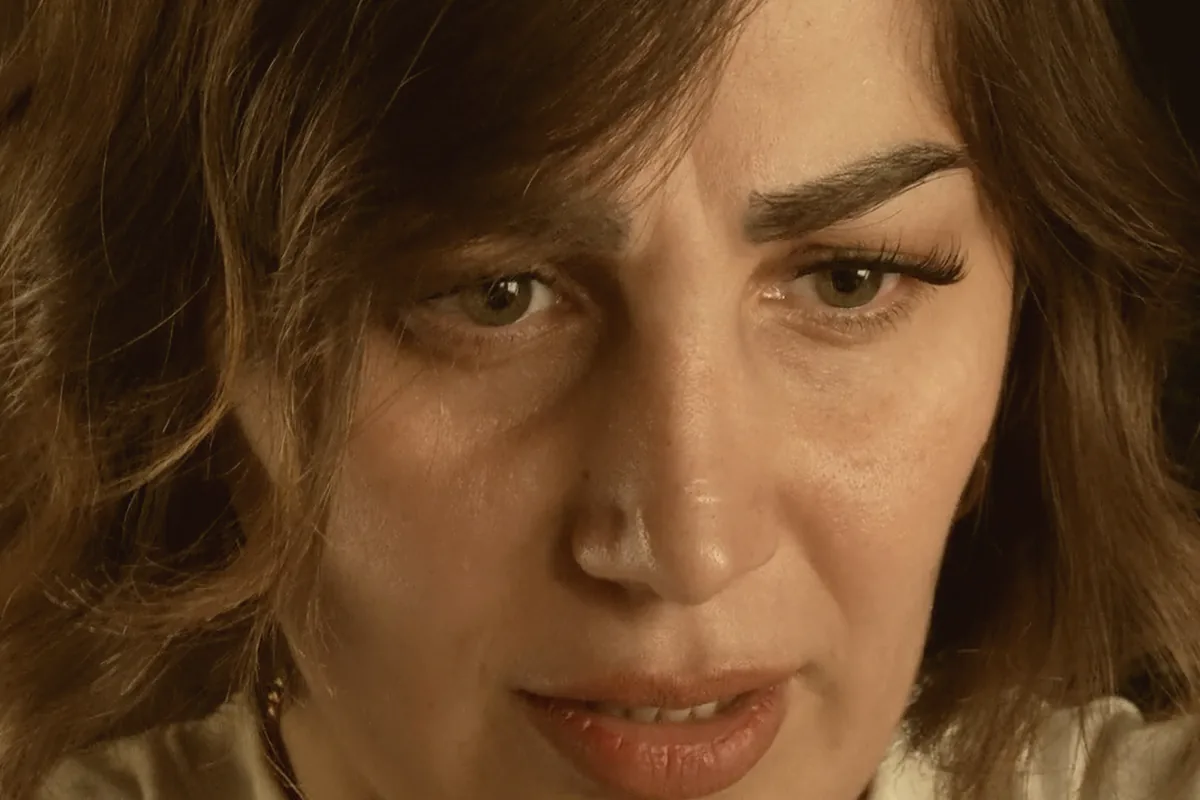
One person listening closely to another in conversation.
khezez | خزاز / Pexels

What it doesn’t show

Mostly student and workshop samples in cultures where this has been studied most, and "liking" is self-reported on both sides. The size of the gap varies considerably across studies.

What Kept does about it

Background rather than a feature. It is part of why the "they don’t want to hear from me" belief is worth designing against, but Kept makes no claim to correct anyone’s self-image.

Read the source

Boothby, Cooney, Sandstrom & Clark (2018)Psychological Science

Confidence: A — meta-analysis, replicated finding, or official body. We don’t publish anything weaker than this.

Related

Kept is what we built from this.

A private voice journal for the people closest to you. Nine seconds of talking after you see someone, and the detail comes back before it matters.