KeptKept
← All research

Are people having fewer close friends than they used to?

Americans with no close friends went from 3% to 12% in thirty years

Cox (2021) · The State of American Friendship, Survey Center on American Life

American Perspectives Survey 2021, benchmarked against Gallup 1990.

The share of Americans reporting no close friends rose from 3% in 1990 to 12% in 2021. Among men it went from 3% to 15%. The share of men with six or more close friends fell from 55% to 27%.

How it was done

The May 2021 American Perspectives Survey, benchmarked against Gallup data from 1990.

What it means

The collapse is concentrated among men, which is why this survey gets cited so heavily in coverage of a "friendship recession". The men’s series moves roughly twice as far as the overall one.

It lines up with the time-use data: face-to-face socialising by American adults has fallen around 30% since 2003, and further still for unmarried people and teenagers.

Whatever the cause, the behaviour is not in dispute. People see each other less than they did, and fewer of them have anyone they would describe as close.
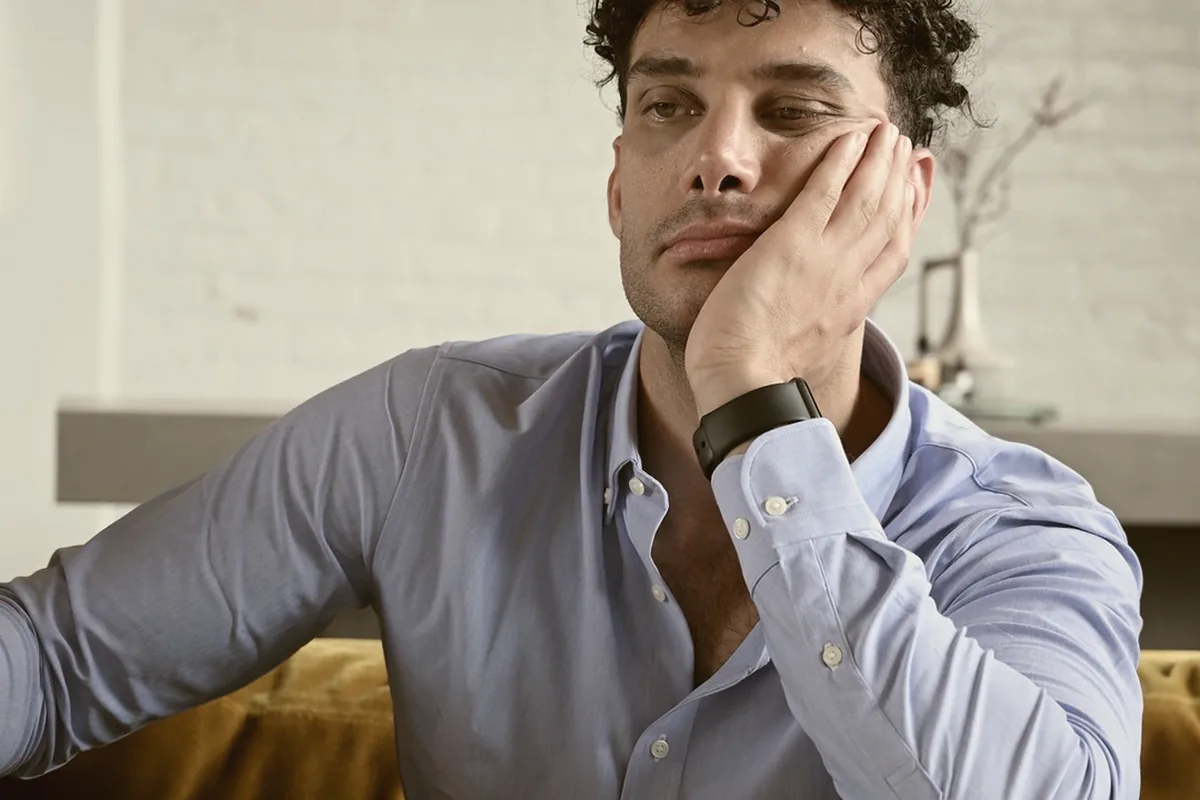
A man sitting on his own, looking away from the camera.
Timur Weber / Pexels

What it doesn’t show

Two surveys thirty years apart, run by different organisations with different instruments — some of the gap could be method rather than change. "Close friend" is self-defined and the meaning of the term may itself have shifted. And this is one country; do not read it as a description of anywhere else.

What Kept does about it

Context, not a mechanism. It says the problem is real and growing; it does not say anything about what fixes it, and we do not use it to imply that Kept does.

Read the source

Cox (2021)The State of American Friendship, Survey Center on American Life

Confidence: B — a single strong peer-reviewed study, or a consistent multi-study literature. We don’t publish anything weaker than this.

Related

Kept is what we built from this.

A private voice journal for the people closest to you. Nine seconds of talking after you see someone, and the detail comes back before it matters.